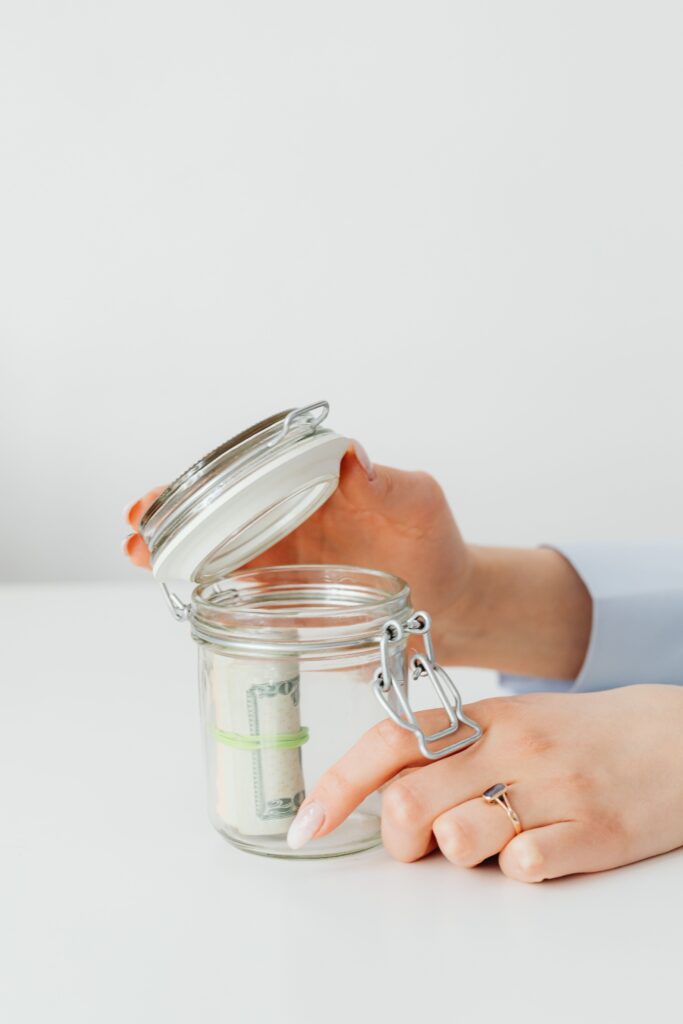
Most budgeting advice tells you to save whatever’s left over at the end of the month. The problem is, for most people, that number is zero — not because they’re bad with money, but because it’s human nature to spend what’s visible and available. “Pay yourself first” flips that order completely.
What “Pay Yourself First” Actually Means
Instead of paying every bill and expense first and saving whatever remains, you save a set amount the moment you get paid — before rent, before groceries, before anything else. Only after that transfer happens do you budget the rest of your paycheck for everything else.
The name is a little misleading if you think of “paying yourself” as spending on yourself. It actually means treating your future self, via savings, as a non-negotiable expense — just like rent or a phone bill.
Why the Order Matters So Much
This might be the single most important idea in this entire strategy: saving what’s left over almost never works long-term, because spending naturally expands to fill whatever’s available. If money is sitting in your checking account, it tends to get spent, even without any single big purchase to blame.
By moving savings out immediately, the money is no longer “available” in your day-to-day spending decisions. You’re not relying on willpower at the end of the month — the decision has already been made and executed before you even have a chance to reconsider it.
How to Set It Up
- Decide on a percentage or fixed amount. A common starting point is 10-20% of take-home pay, but even 5% is a solid start if that’s what’s realistic right now.
- Set up an automatic transfer from your checking account to a separate savings account, timed for the day you get paid (or the day after).
- Use a separate account, ideally at a different bank than your everyday checking account. Having to log into a different app to access it adds just enough friction to prevent impulsive “borrowing” from savings.
- Budget the remaining amount as if the money you saved never existed in the first place.
When I first set this up, I picked an amount that felt slightly uncomfortable — enough that I noticed it was gone, but not so much that I couldn’t cover my bills. That discomfort faded within about two months, and the amount that once felt tight became completely normal.
How Much Should You “Pay Yourself”?
There’s no single correct percentage, but here’s a reasonable way to think about it:
- Just starting out or tight budget: 5-10% is a completely valid starting point
- Comfortable with your fixed expenses: 15-20% is a common target
- High income relative to expenses: 25%+ becomes realistic
The exact number matters far less than starting the habit. Five percent that actually happens every single month beats an ambitious 25% target that gets skipped half the time because it felt too aggressive.
Where Should the Money Actually Go?
“Paying yourself first” is a strategy for moving money, not a single destination. Depending on your situation, that automatic transfer might split between:
- Emergency fund (if you don’t have 3-6 months of expenses saved yet, this usually comes first)
- Retirement accounts (especially if your employer offers a matching contribution)
- Debt repayment (particularly high-interest debt that is costing you money every month)
- Short-term savings goals such as a car, a move, a vacation, or another large planned expense
You don’t necessarily have to choose just one. For example, you might put most of your savings toward an emergency fund while contributing a smaller amount toward retirement at the same time. The important part is that the money is given a purpose before you have a chance to spend it.
What If Your Paycheck Is Already Tight?
“Pay yourself first” doesn’t mean you should save an amount that leaves you unable to pay your essential bills. If your budget is already stretched, start with an amount that feels manageable and increase it gradually as your income or expenses change.
If you’re receiving your first regular paycheck or starting a new job, it can be especially tempting to increase your spending immediately. Instead, consider deciding on your savings amount before that first paycheck arrives and automating it from the beginning. You can learn more about how to approach that stage in Budgeting on Your First Paycheck.
How to Make the Habit Stick
The biggest advantage of this strategy is that it becomes easier once the system is automated. You don’t want to make the decision to save every month — you want the decision to have already been made.
- Automate the transfer so it happens immediately after payday.
- Keep savings separate from your everyday spending account.
- Start with a realistic amount rather than an amount that forces you to constantly move money back.
- Increase it gradually when you receive a raise or your expenses decrease.
- Give your savings a purpose so you know exactly what you’re working toward.
Once the transfer becomes part of your normal payday routine, you may barely notice it anymore. That’s exactly the point.
Final Thought
Paying yourself first works because it changes the order of your financial decisions. Instead of hoping there’s money left to save at the end of the month, you make saving happen before everything else.
You don’t need to start with a huge percentage or completely reorganize your finances overnight. Pick an amount you can realistically maintain, automate it, and let the habit grow over time. The goal isn’t to save perfectly — it’s to make saving a normal part of getting paid.
Disclaimer: This article is for general educational purposes only and is not personalized financial advice. Everyone’s financial situation is different — consider speaking with a licensed financial professional for advice specific to your circumstances.